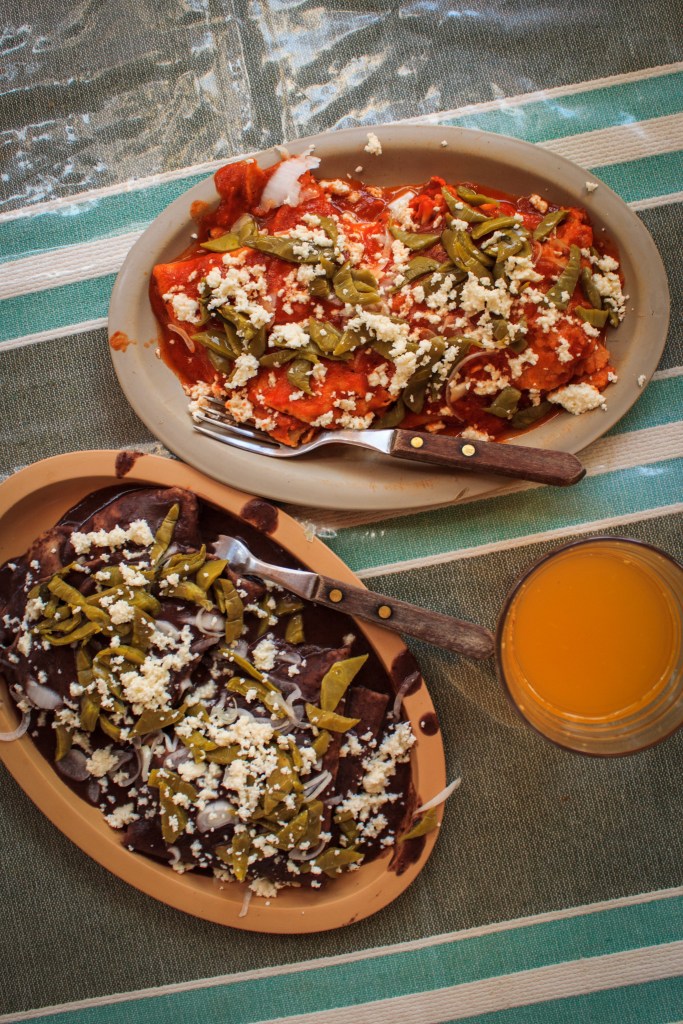
“Watch out, the green one is hot,” cautions the elderly Zapotec woman sat next to me at the wobbly oilclothed table. At the weekly market in Zaachila, in the Mexican state of Oaxaca, the local street specialty, a tlayuda, is served with a choice of salsas: a spicy “roja” made from tomatoes, onions and chillies, and the universally more treacherous salsa verde which, in spite of its mild green shade, is guaranteed to break a sweat on an unaccustomed diner’s forehead. Despite good advice, I seem to have made a mistake. The salsa is like an electric shock: it zings through my entire body, sends my mouth on fire, makes my eyes water and the nape of my neck tingle. After the first breath-taking bite, I am hooked.
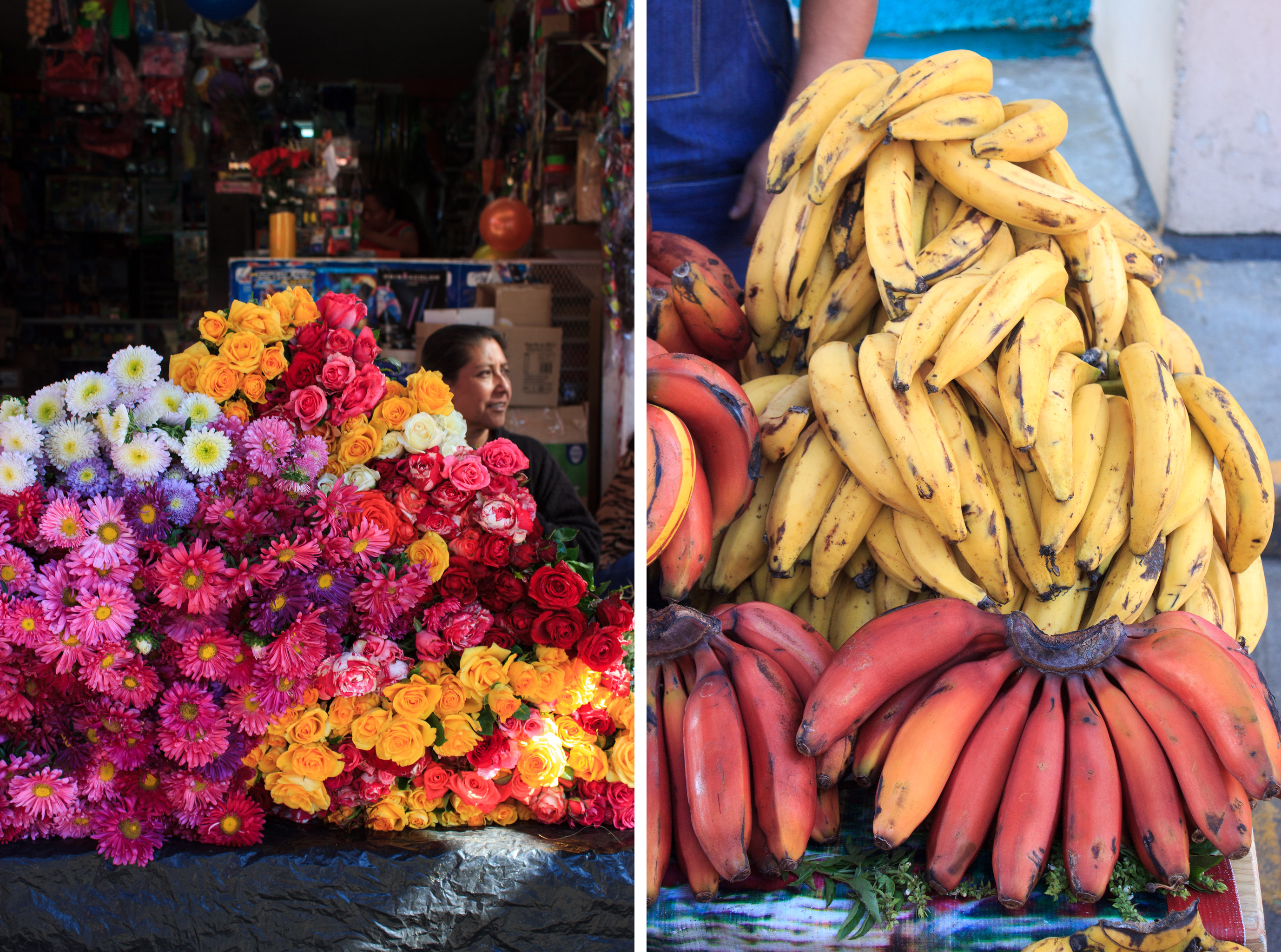
New restaurants open weekly in the state capital of Oaxaca de Juarez. The world’s best chefs flock to the city to discover ancient ingredients, traditional methods and unique flavours. But to experience the true soul of this Mexican cuisine it is necessary to leave the colonial walls of the capital and head out to the smaller communities, to the weekly farmers’ markets.
The Oaxaca markets, known as tianguis, are a serious affair. The traders choose their best produce to sell, the housewives prepare endless shopping lists, the children are scrubbed clean and entire families turn up in their Sunday (or in Zaachila’s case, Thursday) best. The market is not only a chance to stock up, it is also a chance to see and, perhaps more importantly, be seen. People watching is a secondary pleasure though, because I came to Mexico on a tasting mission – the tianguis are the best places to sample the flavours that have made Oaxaca into the mecca of Michelin star chefs.
The markets are the essence of the region. These open air events are the best places to see traditional ice cream being made, to smell the tortilla presses churning out the flat breads, to watch cocoa beans turned into chocolate paste and learn how to strip cactus leaves as the Maya have done for centuries. And yet, a foreign face is still rare here – most travellers prefer to stick to markets in the main city. The tianguis are of another world, a place to pity live turkeys held upside down in bunches and marvel at indigenous men wielding machetes against innocent pineapples.
There are numerous markets across the state of Oaxaca, each known for different specialties from chicken to cheesemaking. Each is held on a different day of the week, but the principles are similar wherever you go. The village’s main arteries get covered in tarpaulin roofs for the day and are lined with stalls bent from the weight of the produce. Every corner is occupied by pop-up tables on which you will find the best Mexico has to offer from coriander straight from the abuela’s garden to tomatillos still scented by sunshine. Mounts of dried and fresh chillies are piled high above the shoppers’ heads. From lime flavoured crickets roasted on a temporary stove, to stringy quesillo wrapped yarn-like at the cheese stall, the market is heady with colours and aromas.
The shopping experience is accompanied by home-grown songsters armed with guitars and a repertoire which would put Celine Dion’s recent Vegas show to shame. In Zaachila the cacophony of vendors touting their fresh produce mixes with the ubiquitous renditions of “La Cucaracha” and the piercing sounds of whetting steel – here, the local expertise lies in knife sharpening.

On Wednesdays, in La Villa de Etla, Andrea Luna Bautista, one of the local food champions, sells her world-famous queso Oaxaca surrounded by the pop-up kitchens. She is a third generation cheesemaker having inherited a small holding from her mother and has taken on the challenge of promoting local artisanal food to the wider world. Every Friday she runs the El Pochote Organic Market, a small coop on the edges of the old town in Oaxaca City, where each stall is a step in a journey across the state’s varied cuisine. From the lemony ginger of the Pacific shores to the high mountain honey of the Sierra Madre. Though here it’s not all about food, there are also vibrant silk scarves for balmy valley evenings and hand-woven ponchos for chilly highland climes. In October Andrea will take a few of her fellow artisans for a trip to California where they will be promoting their craft to a much wider audience. “I am excited about flying, I have never been on a plane,” she says, “but I am most excited about sharing my beloved Oaxaca with people in California.”
Back in Etla, Andrea’s other cheese, queso fresco, the Latin American cousin of ricotta and feta, is used liberally on the quesadillas at the stall nearby. A group of women sit around the large stove where the proprietor skilfully flattens the blue-corn dough, spreading bean paste and freshly shaven cactus (known as nopales) on top. The customers, all seated on mismatched, colourful plastic stools choose their toppings – meat is always popular with chicken and pork vying for top spot. Courgette flowers and cubed pumpkin are also available for a lighter bite.
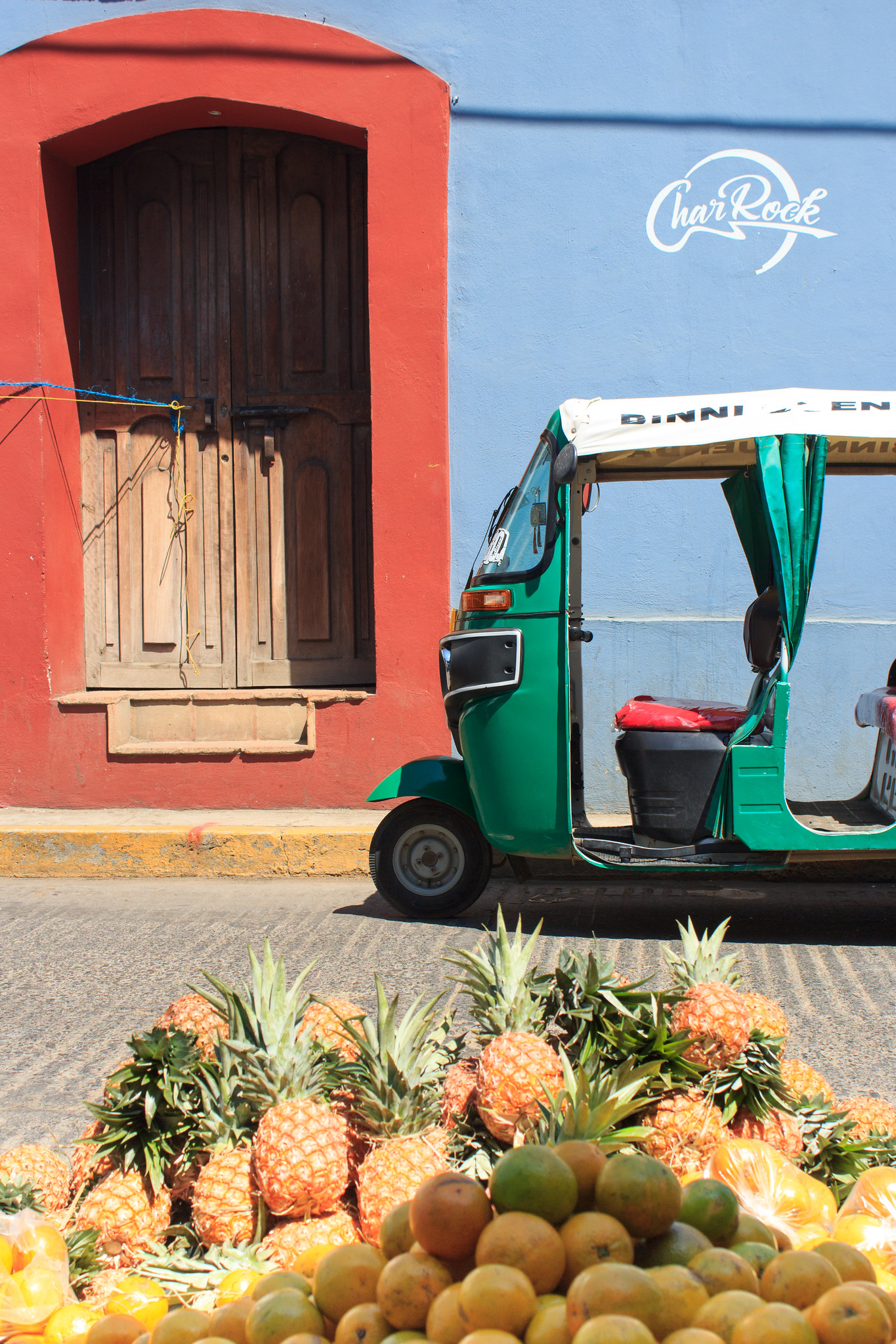
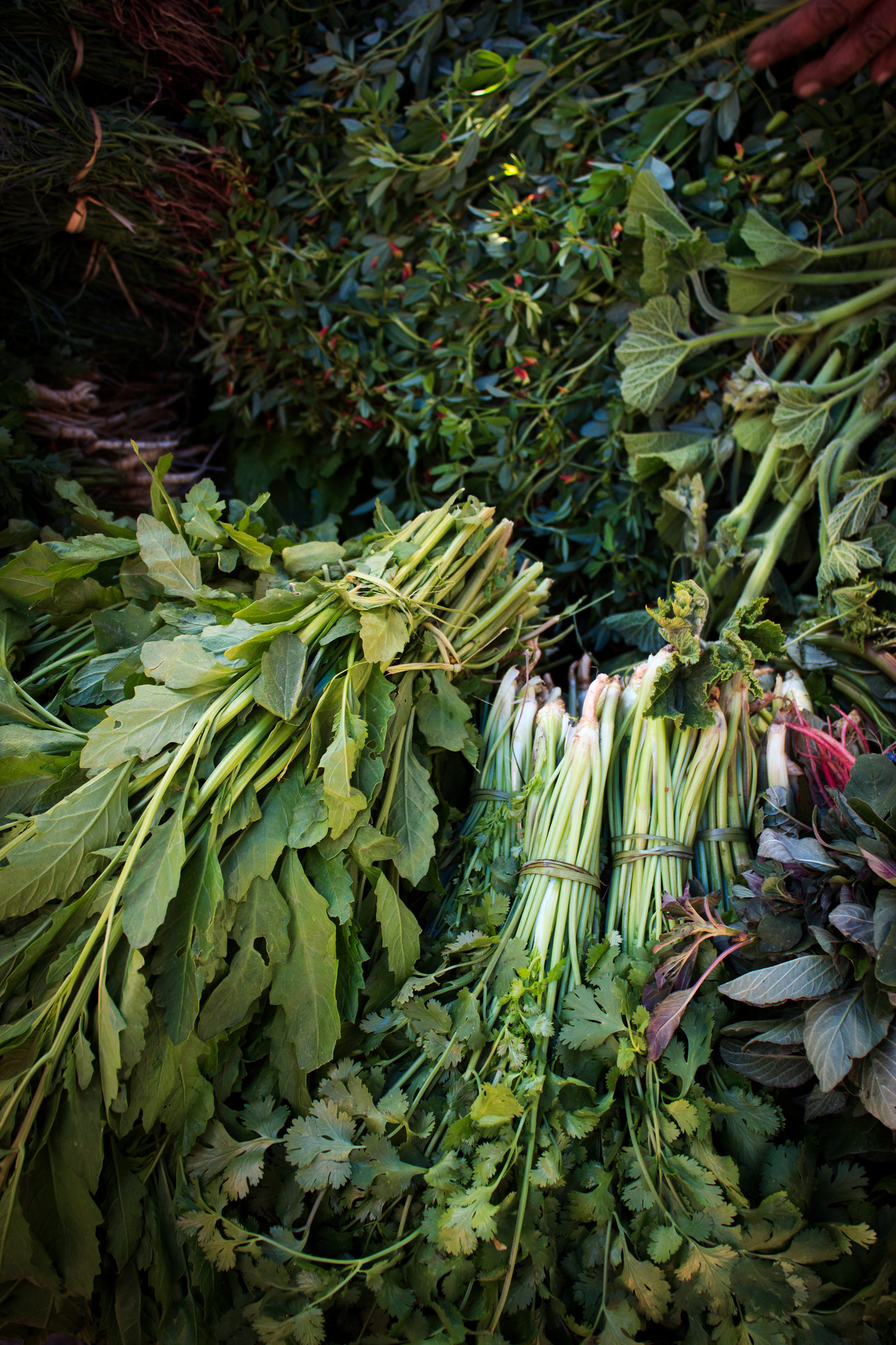
A stream of mobile merchants flows around the diners through the main arteries of the market. They sell pastries, plaits of garlic and, of course, agua fresca straight from plastic bags complete with straws. The choice of flavours induces instant fear of missing out – it will take me more than this holiday to try them all. Beyond the traditional tamarind and agua de jamaica (dried hibiscus flower), the vendors advertise sweet strawberry, refreshing pineapple, comforting coconut as well as the more unusual soursop, prickly pear or alfalfa flower. And they do not skimp on servings here – a regular cup is a whole litre and for a fraction of the price found in the city.
Coming to Mexico just for the drinks would be reason enough. The much lauded tequila and its more trendy relative mezcal are of course the crowning jewels of Mexican thirst quenchers, but it’s not all about alcohol here. The locals know how to make each drink from breakfast to dinner a fiesta of flavours and the markets are the only place to sample the ancestral specialties with recipes passed down through the ages. On our first market day, Eugenio, our guide, gets me a tejate, a foamy grey mix of toasted maize, fermented cocoa beans and flor de cocoa. It has been drunk here for breakfast long before the Europeans arrived in an attempt to ruin it all. Today, in the early morning around the busy main square in Ocotlán de Morelos, Nayeli and her daughter grind the ingredients and mix them with ice-cold water in huge vats before serving the ready drink in small gourd bowls to the queue of sleepy-eyed shoppers. For anyone in need of a caffeine kick Nayeli sells cafe de olla, a strong, syrupy coffee brewed with cinnamon and sweetened with cane sugar. I have seen it served in most restaurants throughout Oaxaca City, but to truly appreciate its warming spicy aroma and deep, reviving flavour, I now know it was worth venturing out of the city to the small town markets.
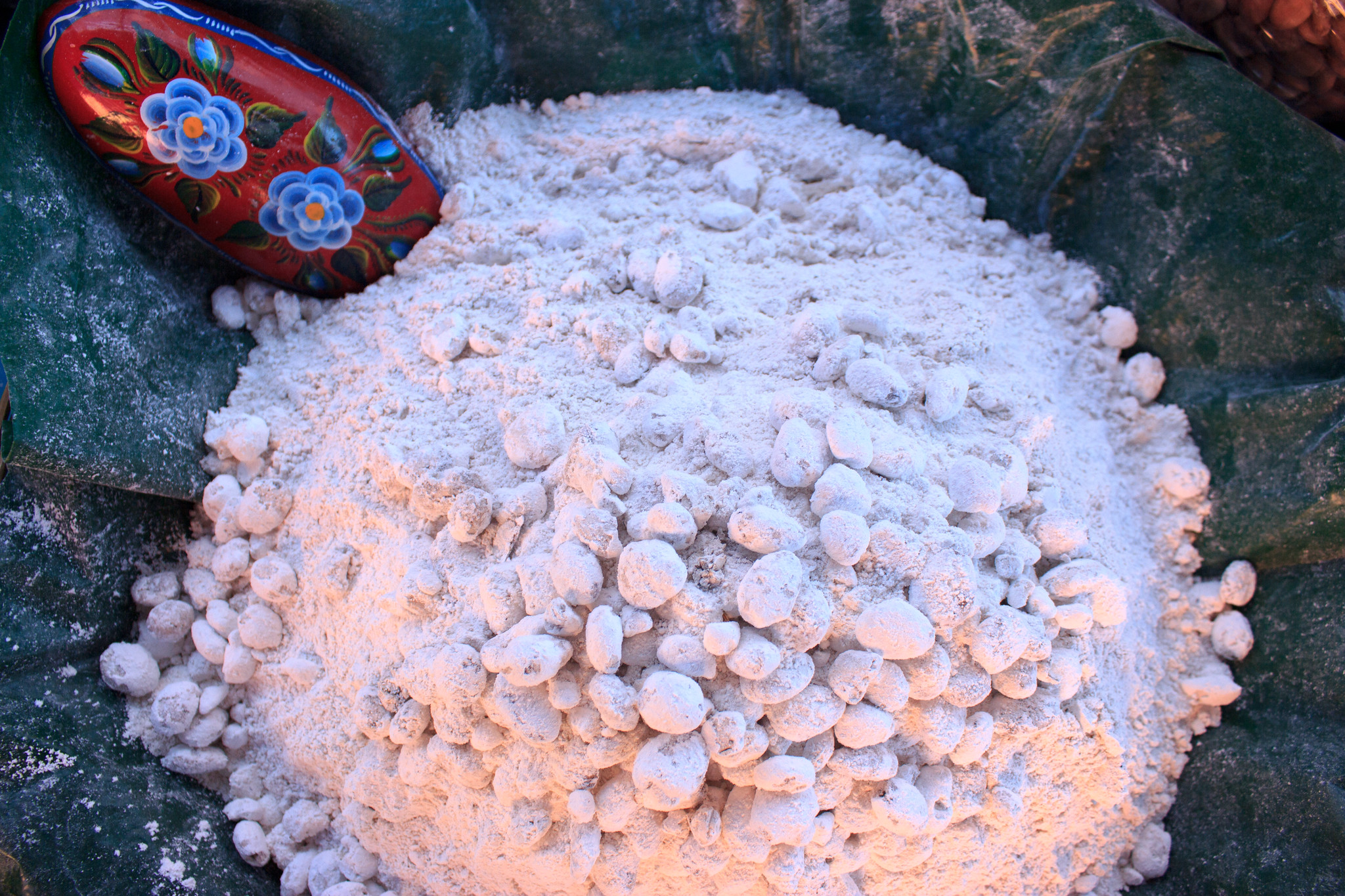
Wandering through the winding lanes of the tianguis feels like a stroll back in time. The abuelas, toothless and with faces so wrinkled that they resemble the topography of the surrounding sierras, sit on the floor mats by their produce, just like generations before them have done once a week every week. Wrapped in colourful headscarves they chatter away in one of the local dialects, incomprehensible to a European visitor. “They will only let you photograph them, if you get them an ice-lolly” Eugenio interprets for me. Deal.
The bridge between epochs is provided by another unmistakable feature of the market – the healer known to the locals as curandero. Each town and each market has at least one curandero. Ask any shopper and they will point you in the right direction. In Zaachila, you need not even ask. Here the traditional methods fuse with modern technology as the curandero carries a wireless amp system. With an in-ear microphone which I’d only seen on CIA agents in Hollywood spy movies, and a huge speaker at the front of his stall, the curandero informs the passing crowds of the benefits of the seemingly magical “jugo the moringa”. It’s only a matter of time until you see a moringa latte in your local coffee shop, because if the tales are to be believed, the drumstick tree juice will cure indigestion, impotence and circulatory system problems. In Ocotlán I briefly find myself in the middle of the battle of the airwaves as one curandero’s moringa promotion mixes in with another’s paean to the extraordinary qualities of hemp balm.

The markets are divided into thematic sections: the clothing area, the butchers, the bakers, the flowers, the grocery, the cocoa vendors, the chapulines friers, the livestock. The central squares in Zaachila and Ocotlán are taken up by pop-up snack and drink bars. In the morning, a strange ritual takes place here: metal creamers are placed in deep barrels of ice and rows upon rows of men spin the creamers all morning chatting to the fellow spinners. These centrifugal vessels are filled with a dizzying variety of colourful liquids and every now and again the men take a break and dip in a wooden spatula breaking up the formed chunks of ice. A few hours later, hand-made ice cream – which the locals simply call nieve, meaning snow – is ready.
Late in the afternoon, when the pineapples are running low and all the fish is sold out, the shoppers head to the snow stalls, grabbing a cupful of ice cream and a gaznate – a pastry filled with cloud-like meringue – to enjoy a moment of chat and shade. In Oaxaca the most popular ice cream flavours are burnt milk and dragon fruit. Both are sweeter than condensed milk spiked with icing sugar – I make a mental note to brush my teeth doubly well this evening. Another favourite, especially among the youngest market goers, is mango snow doused in spicy salsa and sprinkled with chili salt. No wonder Mexican cuisine was the first to win Unesco intangible heritage recognition when from the tender school age the locals are encouraged to experiment with all key elements of complex taste: it’s sweet, salty, sour and spicy, and all in one cheap snack.
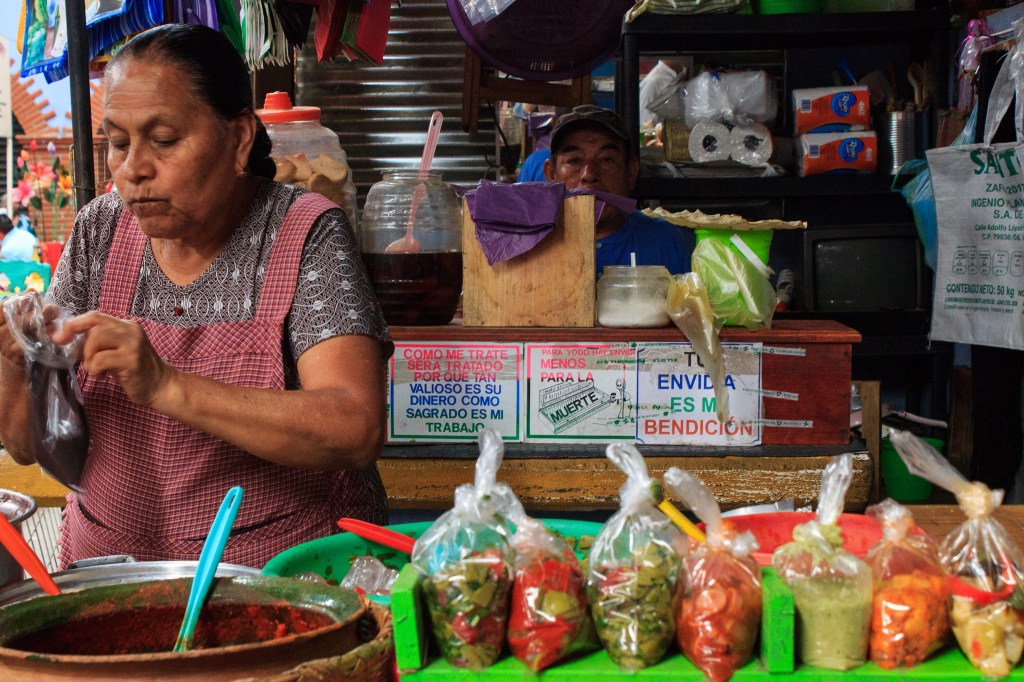
Not only are whole towns transformed into markets, but the entire local population of nearby pueblos arrives to strut around town. The market day is the day to be seen. The visitors spend most of the day strolling up and down the shaded avenues: they buy a week’s supply of juicy oranges, bright tomatoes and shiny peppers. But most importantly they bump into neighbours, friends and family to exchange the latest news and village gossip. Mothers breastfeed infants as they watch their eldest play with toy cars, fathers take sons to watch the cock fights, sisters queue for freshly made tortillas and teenagers hang out in the main square awkwardly enjoying their spicy mango sticks.
I get offered a chilli mango stick of my own. It is a revelation – the mango is soft and nectarous, the chilli hot and refreshing, the salt makes it moreish. Then the seller at the stall next door is amazed that I have never heard of chayote – a type of squash used in local salads, aguas and side dishes. He has grown his in the back garden and today has come to sell the excess. Next in line is the banana merchant who delights me with a gift of a single red banana. It tastes like fruit concentrate – more intense than any banana I’ve had before. I get to see garlic cloves as big as a child’s fist and heaps of tiny limes, barely bigger than a thumbnail. I briefly desire, but ultimately resist the urge to buy an enormous pestle and mortar sold by a young man sitting on the curb. It would require checking-in as overweight baggage on my flight back to London.
As I walk away I see a Mexican family leaving the market with eight bagfuls of produce (at least one of them balanced effortlessly on the mother’s head) accompanied by four goat kids and a chicken. They pack themselves up onto the back of a pick-up truck joining other, unrelated passengers who probably did not anticipate sharing a ride with a joyfully prancing animal. They are heading back to their homes to put a rich, thick mole sauce on the stove and to return to their daily lives, until next week, when the market frenzy of food, fragrance and flavour will begin again.
 Hedonist Manifesto